







Search Results for: and Bitterness
An Analysis of the Causes of Coffee's Burnt Bitterness: The Evolution of Bitterness from Light to Dark Roast and the Influence of Roasting
Coffee's bitterness is not innate—green beans contain almost no bitterness, and it all starts with roasting. As roasting progresses from light to dark, acidity gradually gives way to bitterness, from nearly bitterness-free light roasts to the charred, intense bitterness of Italian roasts, with each stage corresponding to a completely different flavor profile. This article will examine the eight stages of roasting one by one, analyzing how bitterness changes with the degree of roast, to help you make more informed choices when selecting coffee beans. The article also incorporates several representative products from the Front Street Coffee brand, providing concrete references for different roasting preferences. [more…]

Analyzing the Causes of Coffee Bitterness: How to Distinguish Over-Extraction from Over-Roasting and Precisely Adjust Pour-Over Parameters
Many coffee enthusiasts, when they encounter bitterness during pour-over brewing, instinctively cut off the tail end of the extraction—but is bitterness really only coming from the tail end? In fact, the sources of coffee's bitterness are complex: they are related both to the order in which compounds dissolve during extraction and to the degree of roast. Front Street Coffee will guide you through a deeper understanding of the true causes of coffee bitterness, teach you to distinguish between the bitterness caused by over-extraction and that caused by too dark a roast, and share how to avoid unnecessary bitterness by adjusting pour-over parameters such as grind size, water temperature, and time, so that every cup of coffee comes closer to your ideal flavor. [more…]
What to Do If Coffee Is Too Bitter? A Side-by-Side Test Comparing the Effects and Mechanisms of Adding Sugar vs. Salt
The bitterness in coffee usually comes from two directions: first, over-extraction bitterness caused by too long an extraction time or too strong an extraction force; second, the burnt bitterness produced by too dark a roast. For people who cannot quite accept bitterness, how to improve the taste of a cup of coffee without wasting it becomes a practical issue. The traditional approach is to add sugar, while another unique way is to add salt. Starting from the sources of bitterness, this article will analyze the principles by which sugar and salt improve bitterness, and through actual brewing comparison experiments, see which method is more suitable for your cup of bitter coffee. The article also covers bean recommendations such as Front Street Blue Mountain No. 1 and Front Street Indonesian Mandheling for friends who pursue a rich, full-bodied, burnt-aroma taste, as well as the specific parameters and conclusions of an over-extraction experiment using Front Street PWN Golden Mandheling. [more…]
The Causes of Coffee Bitterness and a Material Analysis: Understanding Bitterness from a Roasting Perspective and Mastering Brewing Methods to Avoid Excessive Bitterness
Bitterness is often seen as a negative label for specialty coffee, but bitterness is not always a defect. From Front Street's perspective, this article systematically breaks down the sources of coffee bitterness—from "first crack" during roasting to the transformation between acidity and bitterness—explaining how dark-roasted beans present complex aromas like nut, caramel, and chocolate along with a full-bodied mouthfeel within their bitterness. At the same time, the article also offers practical brewing suggestions for avoiding coffee that is too bitter: using Golden Mandheling as an example, it recommends a water temperature of 86–88°C, a coarser grind, a Kono dripper, a 1:15 coffee-to-water ratio, and a two-minute extraction, while emphasizing details such as thorough blooming and slowing the pour, helping you preserve the charm of dark roasting while staying away from harsh, bitter, and muddy flavors. [more…]
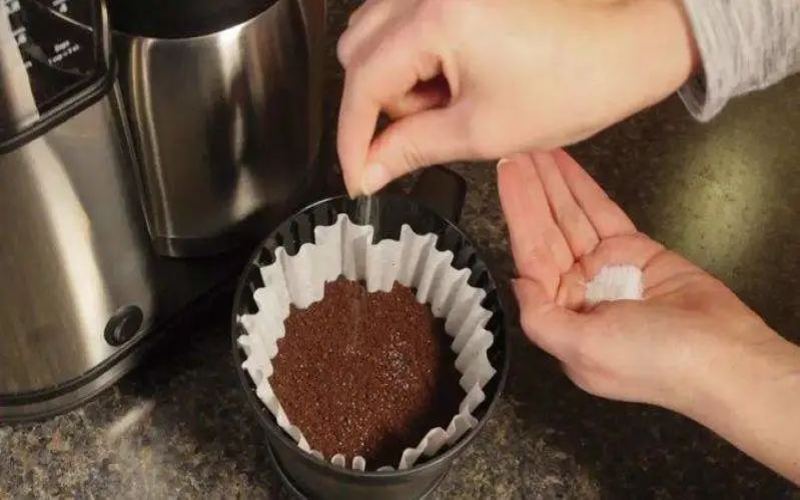
Does adding salt to coffee really make it taste better? A complete interpretation from traditional custom to scientific principle
Adding salt to coffee may sound surprising, but it is not a sudden whim of modern people. From northern Scandinavia to Turkey, from the European coast to Siberia, the tradition of salted coffee has a long history. Salt not only suppresses the bitterness of coffee but also makes sweetness more prominent, and behind this there is both historical origin and the support of food science. This article will start with the origins of salted coffee, sort out the formation mechanism of coffee bitterness, explain why salt can neutralize bitterness, and give specific salt-adding suggestions and dosage references. If you have also wondered whether this cup of salted coffee is actually reliable, you might as well read on. [more…]

How do people who dislike bitterness choose coffee beans?
“This coffee is too bitter, I can't drink it.” Many people are familiar with this remark. But in fact, how bitter coffee tastes depends largely on the choice of beans and the brewing method. As long as you choose the right direction, even people who fear bitterness can find a cup they enjoy. The core approach to choosing beans for those who fear bitterness: First, avoid dark-roasted beans. The darker the roast, the more charred [more…]

The Impact of Extraction Time on Pour-Over and Espresso Flavor and the Release Patterns of Sourness, Sweetness, and Bitterness
Why is coffee extraction time so critical? It all comes down to the soluble flavor compounds that make up just 30% of a coffee bean. These compounds fall into three categories—acids, sugars, and bitter substances—each with a different dissolution rate and peaking at different times. If extraction is too short, the coffee tastes thin and sharply acidic, lacking the support of sweetness and bitterness; if it goes on too long, bitterness overwhelms everything else. Therefore, ending extraction after sweetness has been released in abundance but before bitterness floods in is the key to a balanced cup. For pour-over coffee, using 15 grams of beans as an example, the time is typically kept between 1 minute 50 seconds and 2 minutes 25 seconds. Additionally, acidity, sweetness, and bitterness are not released sequentially but simultaneously—only their peak moments differ. This is a common misconception. [more…]
Where Does Coffee's Bitterness Come From? The Chemistry of Roasting and the Rise of Milk Coffee
Coffee has long transcended its role as a mere beverage, carrying with it an artistic flair and an aesthetics of living. Its color is like a nostalgic image, its aroma is dreamily alluring, and its taste varies from person to person, with each having their own preference. A cup of coffee contains more than thirty chemical substances, over half of which are trace elements beneficial to health. Together they give coffee its complex flavors of acidity, astringency, and bitterness. Since 1930, scientists have continuously investigated the effects of these chemical molecules on flavor, yet specialized research on bitterness has been relatively scarce. Thomas Hofmann of the Technical University of Munich in Germany conducted in-depth exploration to fill this gap, revealing how changes in chlorogenic acid lactones and phenylindanes at different roasting stages determine the intensity of coffee's bitterness. This discovery not only deepens our understanding of coffee but also provides a scientific basis for coffee manufacturers to reduce bitterness, promoting the combination of sugar cubes, milk, and coffee, and giving rise to classic milk coffee series such as cappuccino, mocha, latte, and macchiato. This article will guide you through the chemical mysteries behind coffee's bitterness and their impact on coffee culture. [more…]
Where does the bitterness in medium-dark roasted coffee beans come from? And how should Mandheling and Blue Mountain be brewed to taste smooth?
The acidity in coffee comes from floral notes and fruit sugars, while the bitterness carries the deep notes of caramel, dark chocolate, and nuts—both determined by the degree of roast. After first crack, the longer the roasting continues, the more prominent the bitterness becomes. To brew a cup that is elegantly bitter with a rich, sweet finish, you need to fine-tune the grind, water temperature, coffee-to-water ratio, and pouring rhythm. Starting from the principles of roasting, this article explains the source of bitterness in medium-dark roasted coffee and provides brewing approaches and specific parameters for classic beans such as Mandheling and Blue Mountain, helping you avoid a deeply unpleasant bitterness and achieve a rich, smooth taste. [more…]
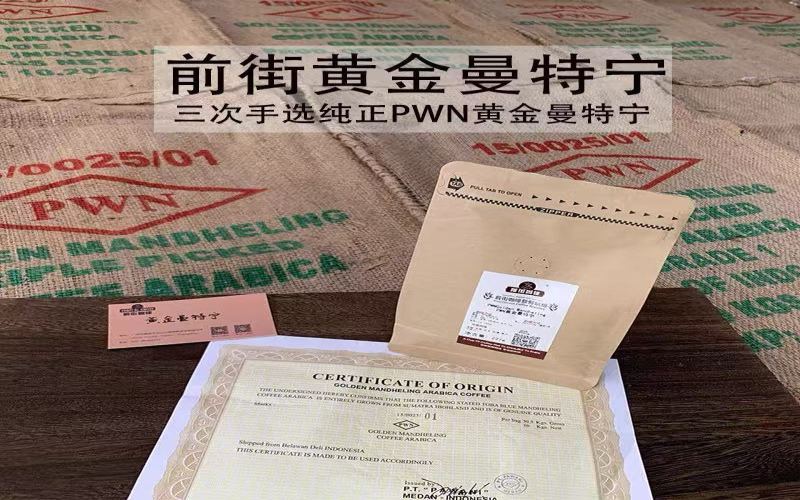
Are Dark Roast Beans Always Bitter? Understanding Dark Roast Coffee Even If You Fear Bitterness
The word "dark roast" has turned many people away—the mere thought of it conjures up an image of a bitter, astringent cup of strong coffee. But if you ask people who truly understand coffee, they will most likely tell you: the bitterness of dark-roasted [more…]

Are Coffee Aftertaste and Sweetness Really the Same Thing? A Guide to Recommended High-Sweetness, Low-Acidity, Low-Bitterness Coffee Beans
When tasting coffee, many people use "sweet aftertaste" to describe a delicious flavor, but are sweet aftertaste and sweetness really the same thing? Starting from the concept of finish, this article will clarify the essential difference between sweet aftertaste and sweetness, and analyze the mechanism of sweet aftertaste formation and the principles of perception—it needs to be based on bitterness or astringency and can only be perceived through taste contrast. At the same time, the article will also explore the differences in finish performance between dark-roasted and light-roasted coffee, and recommend a number of Front Street selected coffee beans for friends who prefer flavors that are high in sweetness, low in acidity, and low in bitterness, helping you find the cup you love in your daily brewing. [more…]
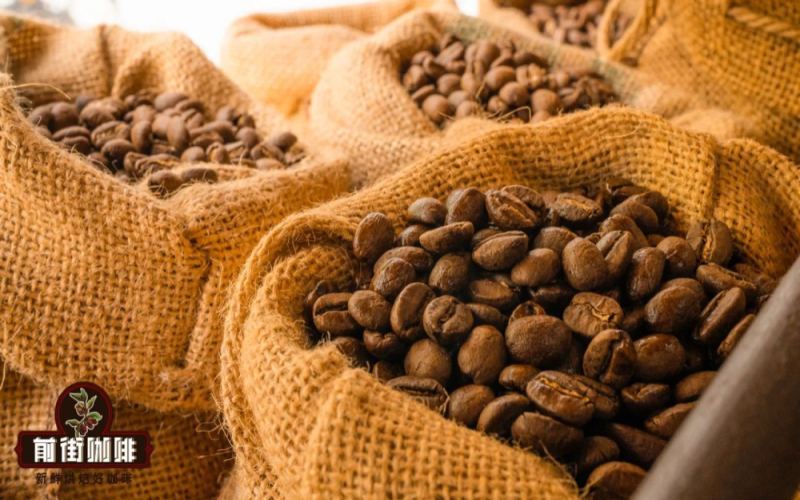
Pour Over for Dark Roasts: How to Avoid Bitter, Burnt, Undrinkable Coffee — Brewing Tips for Medium-Dark Mandheling, Blue Mountain, and Brazilian Beans
Deeply roasted coffee beans are characterized by a dark chocolate-like bitterness, while also delivering a rich mouthfeel and traditional caramel aroma. However, these beans also tend to release an unpleasant bitterness during brewing. This article approaches the issue from three angles—water temperature adjustment, coffee bed state, and coffee-to-water ratio—and, by combining the flavor characteristics of three representative beans—Front Street Coffee PWN Golden Mandheling, Front Street Coffee Jamaican Blue Mountain, and Front Street Coffee Brazil Queen Estate—analyzes how to avoid negative flavors such as burnt bitterness and woody notes, while preserving caramel sweetness and a clean finish, helping enthusiasts brew the rich body and sweetness that deeply roasted beans should have. [more…]
Where Does Coffee Aroma Come From? A Beginner's Guide to the Three Major Flavors: Bitterness, Acidity, and Body
The aroma and flavor of coffee are the core criteria for judging its quality, and the climate of the growing region, bean variety, processing method, storage conditions, and roasting technique all directly affect the flavor ultimately presented. Fats, proteins, and sugars are the main sources of aroma, while lipid components harmonize with acidity and bitterness, giving coffee a smooth mouthfeel. Generally speaking, coffee flavor can be summarized into three major categories: bitterness, acidity, and body. Bitterness comes from caramelization and carbonization reactions during roasting, acidity is influenced by bean variety and roast level, and body is the mellow expression achieved when sweetness, acidity, bitterness, and aroma reach balance. Understanding these three basic flavors is the first step for beginners entering the world of coffee. [more…]
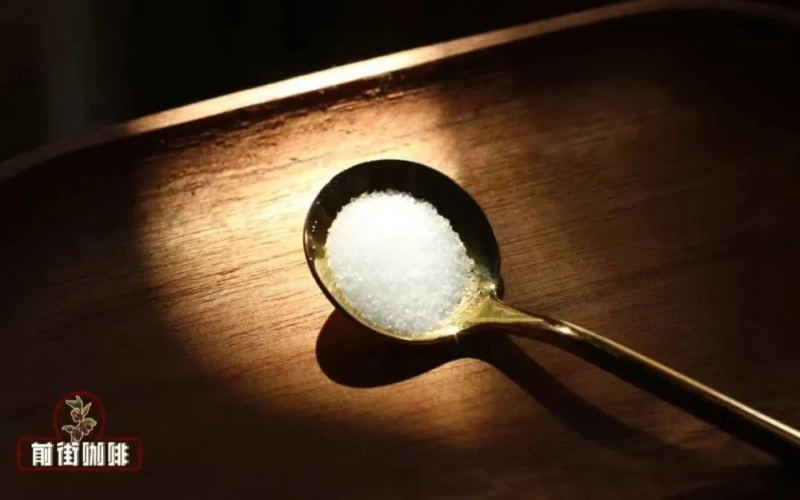
What Are the Benefits of Adding Salt to Coffee? Explaining the Principles Behind Bitterness Suppression, Flavor Enhancement, and Added Complexity
Adding salt to coffee may sound unbelievable, but this practice actually contains rich taste science. Salt can not only effectively suppress the bitterness of coffee, but also enhance sweetness, improve astringency, and even add layers by highlighting saltiness. This article will start from Front Street's perspective and systematically sort out the three major roles of salt in coffee: suppressing bitterness, improving quality and enhancing flavor, and adding layers, while analyzing the principles of taste interaction behind it. At the same time, the article will also remind readers of precautions when using it, such as dosage control and applicable scenarios. Whether you are a coffee lover or a pour-over player, you can gain practical inspiration from it. [more…]
The Magic of Adding Salt to Coffee: The Practical Principles Behind Reducing Bitterness, Enhancing Sweetness, and Improving Smoothness
Adding flavorings to coffee is nothing new—sugar and dairy have long been common pairings—but the addition of salt surprises many people. In fact, thanks to its unique chemical and taste properties, salt can play multiple roles in coffee: from suppressing bitterness and enhancing sweetness and positive flavors, to reducing astringency and improving smoothness, and even adding complexity by highlighting salty notes. This article systematically outlines the various effects of adding salt to coffee and their underlying principles, and highlights precautions for its use, helping enthusiasts try this method more rationally. [more…]
Are Coffee Aftertaste and Sweetness the Same Thing? High-Sweetness, Low-Acidity, Low-Bitterness Coffee Bean Recommendations and Aftertaste Analysis
In coffee tasting, "hui gan" (returning sweetness) is often used to describe the pleasant mouthfeel brought by a good cup of coffee. But are hui gan and sweetness really the same experience? Starting from the concept of aftertaste, this article analyzes the formation mechanism of hui gan, its difference from sweetness, and the factors that affect the persistence of aftertaste. At the same time, for those who prefer flavors that are high in sweetness and low in acidity and bitterness, we recommend several Front Street Coffee beans, including the Classic Blend, Brazil Queen Estate, PWN Golden Mandheling, and Boquete Geisha, to help you find the flavor you like in your daily brewing. [more…]
How Does Mandheling Differ from Espresso? An Analysis of the Bitterness Layers and Brewing Key Points of Single-Origin Beans
Many people, when first encountering coffee, often equate it with the bitter, burnt taste of "dishwater." In reality, the world of coffee is far richer than that. Mandheling and espresso belong to different categories: the former is a typical single-origin coffee, known for its full-bodied richness; the latter uses espresso as its base, giving rise to fancy drinks like lattes and cappuccinos. This article will clarify the differences and characteristics of the two, explain where Mandheling's bitterness comes from, and introduce the Sumatra region, the wet-hulling process, as well as the flavors and brewing suggestions for two Mandheling beans from Front Street Coffee, helping coffee enthusiasts more clearly understand the two lineages of single-origin and espresso. [more…]

Light roasts emphasize flavor complexity—so where does the appeal of dark roasted coffee lie? Exploring the principles behind the formation of coffee's bitterness
Light roasts are known for their floral aromas, fruity acidity, and rich layers, while dark roasts are often simply dismissed as a cup of bitter water. However, bitterness is not all there is to dark roasts—caramel, nutty, chocolate-like steady aromas, and a thick, smooth, full-bodied mouthfeel are also qualities that light roasts find hard to replicate. Where exactly does coffee's bitterness come from? How does the "first crack" during roasting determine the direction of acidity and bitterness? This article will sort out the relationship between roast level and flavor from the ground up, analyze the unique charm of dark roasted coffee, and explain why some bean varieties actually need dark roasting to make the most of their strengths and avoid their weaknesses. If you are also curious about the value of bitter coffee, read on. [more…]
Why Is Hot Americano So Bitter? Explaining the Differences Between Iced and Hot Americano from Temperature, Bean Type, and Ratio, Plus Bean Selection Tips
Many coffee enthusiasts' first impression of hot Americano is "bitter," and some even joke that the only difference between it and traditional Chinese medicine is that you can't use health insurance for it. In fact, iced Americano and hot Americano are essentially the same black coffee made by diluting espresso, but hot Americano tends to be less popular—office workers rely on it to stay awake while mocking themselves as "bitterly fated people." What exactly causes this difference in bitterness? This article, drawing on Front Street Coffee's tasting experience, breaks down the three major factors of temperature, coffee beans, and ratio, and offers specific advice on how to make a hot Americano that is aromatic without being bitter, as well as which coffee beans to choose if you fear bitterness and prefer sweetness. [more…]

Where Does the Bitterness in Pour-Over Coffee Come From? A Detailed Guide to Four Common Causes and How to Adjust
When brewing pour-over coffee, the appearance of bitterness is a problem many coffee lovers frequently encounter. The source of bitterness is not singular—it may come from the roasting profile of the coffee beans themselves, or it may be closely related to how long the beans have been stored, the coarseness of the grind, and the brewing water temperature. This article analyzes the causes of bitterness one by one from four dimensions and provides specific adjustment plans to help you brew a smooth cup of pour-over coffee at home. It also offers references for bean selection based on different flavor preferences and retains several recommended bean lists from Front Street Coffee for readers to choose from as needed. [more…]